Rated Excellent
Trusted by 1000’s of customers
Earn Rewards
Get points with every purchase
Expert Advice
Professional tips for perfect detailingStubborn surface contaminants like acidic bug residue, tar, tree sap and bird droppings can damage your car’s paint surface over time. This problem can get even worse in the summer or on those long motorway journeys. Dealing with it quickly helps to avoid permanent damage to your paintwork, and using our range of bug and tar removers makes it easy and safe.
-
Stuck Stuff Adhesive Remover, 200ml
Regular price £5.00Sale price £5.00 Regular priceUnit price per -
Tar & Glue Remover, 400ml
Regular price £8.00Sale price £8.00 Regular priceUnit price per -
Insect Remover, 500ml
Regular price £6.00Sale price £6.00 Regular priceUnit price per

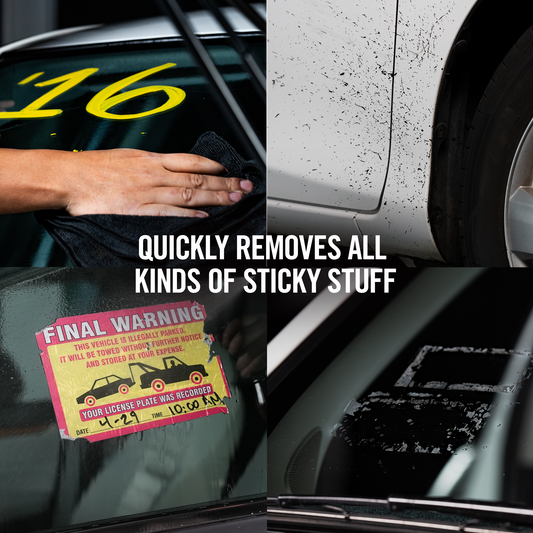

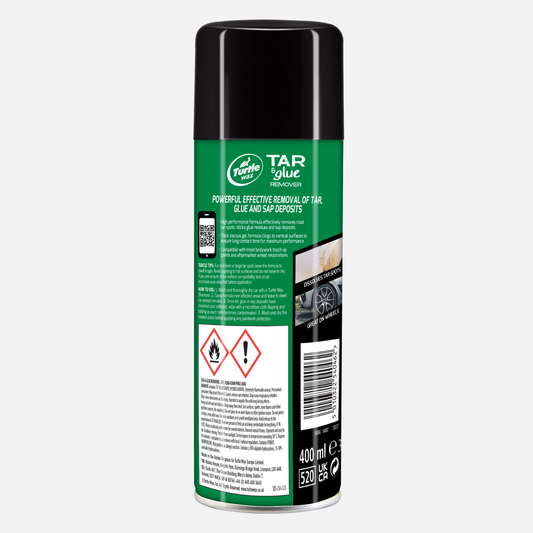

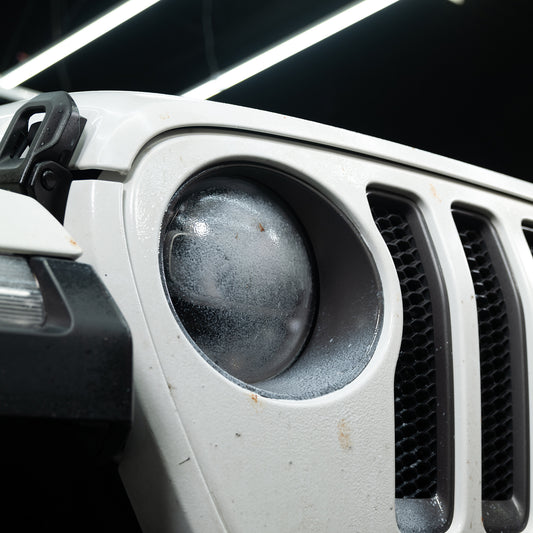
Why Bugs, Tar and Tree Sap Damage Your Car’s Paint
Bug residue
- Acidic compounds etch into the clear coat layer if left long enough.
- Proteins ‘bake’ into the surface when heated in sunlight.
- Staining can happen within days in warm weather.
- Especially damaging to windscreens and bonnets.
Road tar
- Petroleum-based substances bond to paintwork.
- Tar hardens over time, making it increasingly hard to remove.
- Creates a rough texture that traps additional dirt and dust.
- Common on lower panels and wheel arches.
Tree sap & bird droppings
- Highly acidic substances that can penetrate the clear coat.
- Needs removing within hours rather than days.
- Tree sap can create a magnification effect with sunlight, increasing UV damage.
The important thing with all these substances is getting them off your paintwork as quickly as possible. Of course, it’s not always possible to immediately go and wash your car, but you mustn’t delay for too long.
Why You Should Remove Contaminants Before Waxing
Using wax on your car before removing contaminants like tar and insect splatter means you’re sealing them into the protective layer. This means they can keep causing damage to your paintwork underneath, as well as making it harder to remove.
It also compromises the wax sealant, stopping it from properly bonding to the paintwork.
For safe removal and waxing, always follow this sequence:
- Wash - Wash and dry, washing away as much of the contaminant as possible.
- Bug and tar removal - Use bug or tar remover to clear away any remaining marks and spots.
- Clay bar (optional) - A clay bar helps to decontaminate and smooth the paintwork.
- Polish - Once fully cleaned, polish paintwork to get a smooth and glossy finish.
- Wax and sealant - If desired, do a final layer of wax to protect your paintwork.
Following these steps ensures safe removal of contaminants, leaving you with a clean car and avoiding damage to your paintwork. Each step is an essential part of preparing and cleaning, allowing the later layers of polish and sealant to do their job and help protect against future damage.
Choosing Your Bug & Tar Removal Solution
Our range of solutions at Turtle Wax features products for removing everything from insects to tar to adhesives. Check out the table below to see the different options available and what each is best used for.
|
Product |
Best For |
Main Contaminants |
Application |
Bottle Size |
|
Insect splatter, tree sap, bird droppings |
Protein-based residue, organic contaminants |
Spray |
500ml and 5L |
|
|
Tar, glue, sticker residue |
Petroleum-based contaminants, adhesives |
Spray |
400ml |
|
|
Stickers, sticky residue, tape, and chewing gum |
Sticky residues |
Spray |
200ml |
All these products are easy to use with a simple spray application that doesn’t drip down the car’s surface. Each comes in a convenient bottle size for storing in the garage or keeping in the car, as well as a 5L refill size in our Insect Remover.
How to Remove Tar and Bugs From Your Car
Each remover product will have its own instructions for applying, but they generally work in the same way. Here’s a quick overview on how to successfully remove tar, bugs and other contaminants from your car.
- Start by thoroughly washing and drying your car, removing loose dirt and grime.
- Spray your chosen product directly onto the affected areas.
- Leave the product to soak in and work for 1-3 minutes. You should see the residue start to soften, and tar spots will begin to run.
- Rinse off the product and wipe clean with a microfibre cloth.
- Wash the area to remove any remaining residue.
Get more detailed step-by-step instructions and guidance along with photos in our How-To section, including:
How to Remove Tar From Your Car
How to Properly Use Bug Remover
Tar and Bug Remover Multi-Purpose Uses
Exterior applications
Our Insect Remover and Tar & Glue Remover sprays can be used across vehicle exterior surfaces:
- Body panels - Tar spots, tree sap and insect splatter on the bonnet, roof and other paintwork.
- Wheels and wheel arches - Stuck-on brake dust, tar build-up.
- Windscreen and glass - Insect residue, bird droppings.
- Bumpers and grilles - A hot spot for all sorts of contaminants.
Interior applications
Our Stuck Stuff Adhesive Remover is safe for use on dashboards and fabrics:
- Fabric stains - Oil and grease stains on seats and carpets
- Plastic trim - Sticky residue on door handles and door trim.
- Dashboard - Stickers and residue on the dashboard, control console
- Steering wheel - Sticky residue on the steering wheel
Always check the label carefully for suitability, and test on an inconspicuous area before you start. Make sure you keep the car well-ventilated when doing interior cleaning work, too.
When to Remove Bugs and Tar
Immediate removal
- Bird droppings - This is a highly acidic contaminant and should be washed off as soon as possible.
- Tree sap - Drops of tree sap can have a sun magnifying effect, accelerating UV damage.
- After motorway driving - Inspect for tar spots and insect splatter after a long motorway journey, washing any away as soon as possible.
- After driving near roadworks - Check for any tar spots, especially on the wheel arches.
Regular inspection
- Weekly - Check more often in summer during peak insect season.
- Monthly - Check areas most prone, such as wheels and wheel arches, and front bumpers and grilles.
- Seasonal - Incorporate the removal of contaminants into your seasonal deep cleans, including checking interior fabrics and trim.
Pre-wax/detailing
- Always before detailing - Always make sure your paintwork is clean and dry and free from contaminants before applying polish, wax or sealants.
Common Mistakes to Avoid
- Scrubbing too hard - Avoid using any kind of abrasive material to wipe away residue after treating. The product itself does the hard work. A soft, microfibre towel works best.
- Apply to hot surfaces - Always apply to a cool surface out of direct sunlight. Sunshine and extra heat can affect how the product works, causing it to dry or evaporate.
- Not washing first - Thoroughly wash before starting to remove as much loose dirt and grime as possible.
- Letting the product dry - Leaving the product to work too long can mean it starts to get dry, potentially leaving marks or spots on the paintwork.
- Not testing on first - If you’re applying to vinyl wrap or a matte finish paintwork, it’s always best to test any product in an inconspicuous area first.
- Not rewaxing after treatment - Insect and tar removal products also remove some of the wax layer, which is part of how it works. Don’t forget to wax and seal afterwards to restore protection to the paintwork.
Bug & Tar Remover FAQs
Why do I need to remove tar and bugs from my car?
Things like insects and tar spots can just seem like a nuisance, but they can actually damage the surface of your car if left for too long. The acidic nature of insect residue can etch into the paintwork, leaving permanent stains behind. Tar can also cause damage and bond with the surface layers of paintwork, making it very difficult to remove.
What’s the difference between tar remover and bug remover?
Tar remover is designed to tackle petroleum-based contaminants, helping to break them down so they can be removed from the car’s surface. Bug remover uses enzymes or alkaline formulas for dissolving protein-based insect residue. Some products also combine multiple actions to deal with several contaminants at once.
Can I remove tar with regular car shampoo?
Regular car shampoo won’t be able to break down the petroleum bonds in tar spots, and scrubbing to help remove them risks scratching the paintwork. Specialist tar remover products dissolve tar chemically, so no scrubbing is required.
Will tar remover damage my car’s paint or wax?
Quality tar remover products won’t damage a car’s paintwork when used correctly. This means it won’t damage the clear coat layer, but it may remove any wax layer that’s been added with other products. This is an intentional part of the process, helping to fully remove tar contaminants on the surface. Simply wash the area after tar removal and reapply wax/sealants to restore protection.
How do I remove tar spots from my car?
Begin by washing your car to remove loose dirt, then spray the tar remover on any tar spots. Allow the product to soak in for a couple of minutes. The tar will begin to dissolve, and you should see it start running down the surface. Rinse or wipe away the product and tar spots with a soft cloth until the area is clear. Repeat if necessary.
Can I use tar remover on wheels and tyres?
Yes, tar remover is safe to use on alloy wheels, plastic wheel trims and tyres. Wheels and wheel arches are especially at risk of tar spots from the road, so they need to be checked regularly. Always double-check the product label for compatibility.
Should I remove tar before or after washing my car?
Any tar removal process should start with a full car wash to help remove loose dirt and debris. You should then apply the tar remover and let it work before wiping or rinsing away the residue. It’s worth washing the area again after this before applying any final polish or wax.
Can tar remover be used inside the car?
Some tar removers may be safe to use on interior trim, but always check the label first. Tar remover can be effective on oil stains and other residue. Alternatively, you can use something like our Stuck Stuff Adhesive Remover for removing sticky residues.
How often should I remove tar from my car?
Most contaminants, such as tar spots, should be removed as soon as possible to avoid giving them time to dry and bond with the paintwork. Check for tar spots after long motorway journeys or if you’ve recently driven through an area of roadworks.
What’s the best tar remover for cars?
At Turtle Wax, we offer effective and easy-to-use tar and glue removal, with a formula specifically developed for powerful action while being safe on paintwork. Whatever might be the best tar remover for you will depend on your own budget and priorities, so it’s always worth doing some research to find the best product for your needs.
Keep your paintwork free from unsightly contaminants with our range of insect and tar removal products. You can also visit our How-To section for contaminant removal guides, maintenance tips, and complete car care advice.