Rated Excellent
Trusted by 1000’s of customers
Earn Rewards
Get points with every purchase
Expert Advice
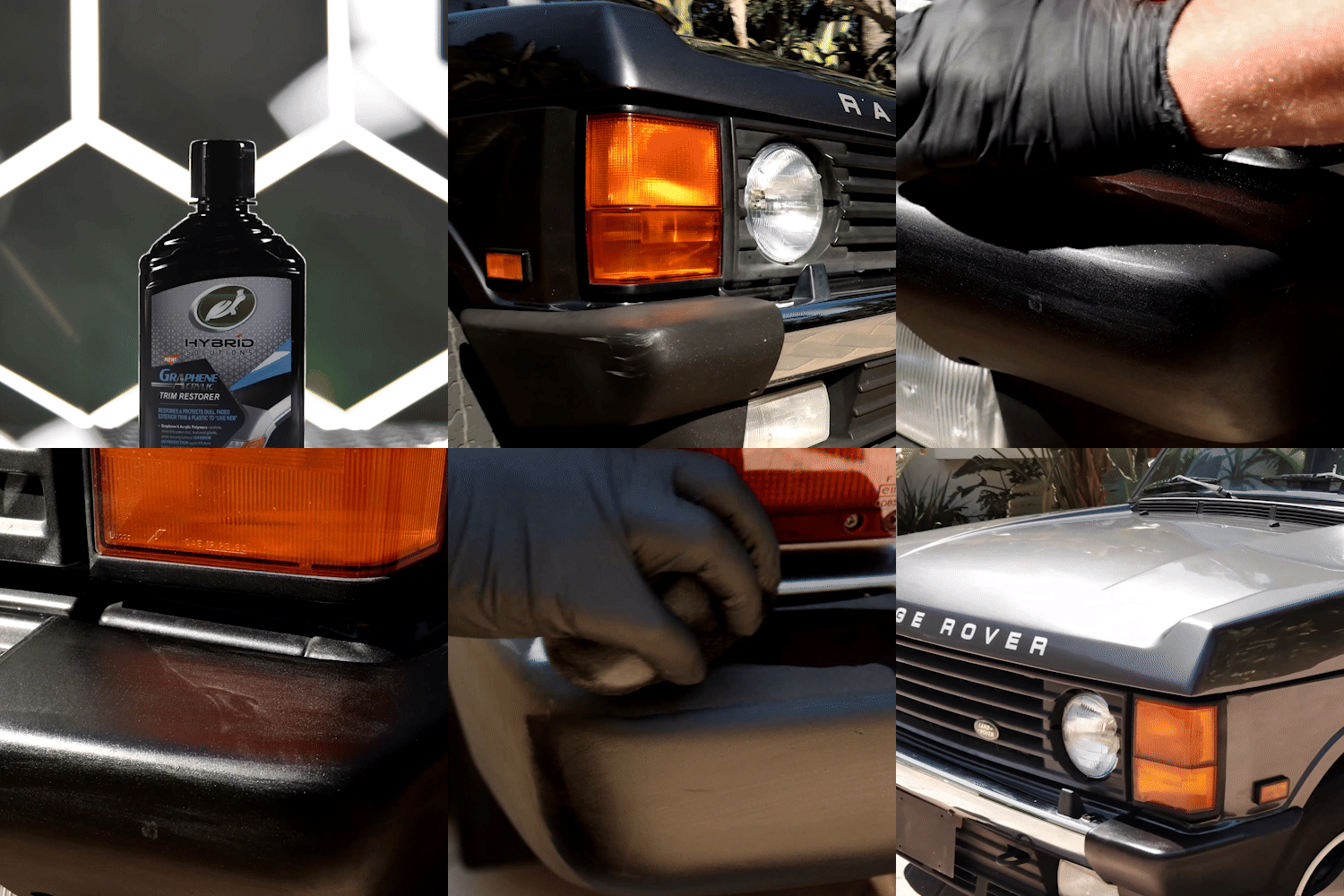
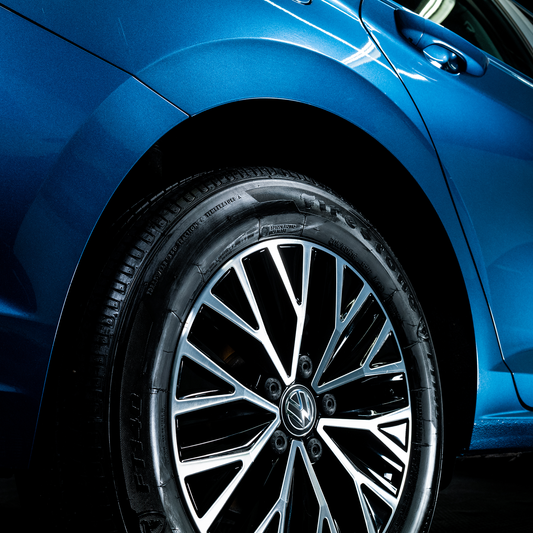
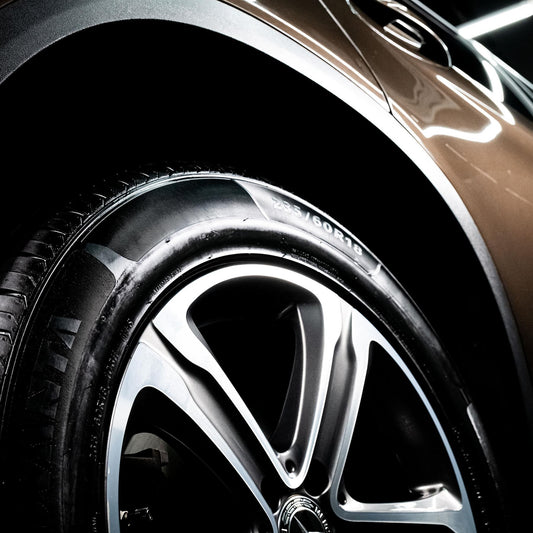
Professional tips for perfect detailingRevive the look of your car and bring faded plastic trim back to life with our range of trim restorer products. UV damage and everyday British weather deteriorate plastic, drying out the oils and causing the trim to lose colour. Trim restorer brings back that deep black colour and adds protection against future fading with a UV and moisture-resistant formula. It works on plastic trim as well as rubber and vinyl, giving that factory-fresh look to your vehicle.
-
Hybrid Solutions Graphene Acrylic Trim Restorer, 296ml
Regular price £13.00Sale price £13.00 Regular priceUnit price per -
Black in a Flash® Trim & Tyre Shine, 500ml
Regular price £6.00Sale price £6.00 Regular priceUnit price per -
Wet'n Black® Trim & Tyre Gel, 300ml
Regular price £8.00Sale price £8.00 Regular priceUnit price per -
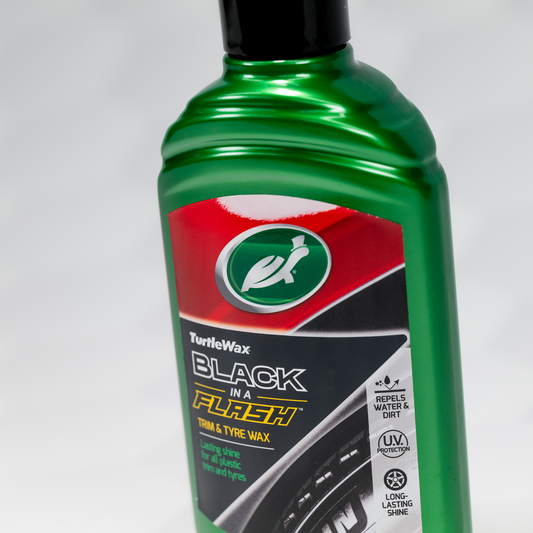
Black in a Flash Trim & Tyre Wax, 300ml
Regular price £6.00Sale price £6.00 Regular priceUnit price per




Why Car Trim Fades & Turns Grey
Black trim looks so sleek and stylish in those early days of owning your car. But that deep and glossy black might be looking dull and faded these days, giving your whole car a tired and unloved look. Unfortunately, car trim will inevitably fade over time, helped along by environmental factors. These include:
- Sunlight (UV radiation)
- Moisture (rain and damp conditions)
- Road salt
- Pollutants
These factors contribute to a loss of oils in the plastic, causing it to oxidise and become brittle as well as lose pigment. Untreated, this can eventually lead to cracks forming in the trim. Bumpers are often the most vulnerable areas for a loss in condition and can cost hundreds to replace if they’re left to degrade beyond repair. Fading can typically take just a few years from new to become noticeable, or even less if the car is parked outside.
Avoiding the expense of replacement is just about ongoing maintenance and preventative care. A trim restoration product can cost from just £5 to £15 and can be done easily by hand at home.
Types of Car Trim Materials
- Textured black plastic: The most common type of exterior trim, found on bumpers, wing mirrors and door handles. It usually has a matte finish and fades to a chalky grey once oxidised.
- Smooth black plastic: Often used for interior trim areas, including the dashboard, door panels, and centre console. It can have a slightly more glossy or satin finish. It can show fingerprints in high-touch areas like control buttons and the steering wheel.
- Rubber: Generally used for door and window seals as well as grille surrounds. It can become chalky and brittle over time, developing cracks and creases if not maintained.
- Vinyl - A less common material on modern cars, but can sometimes be found as trim in vintage vehicles. It degrades in a similar way to plastic, fading and losing its condition over time.
Modern cars can have some or all of these materials both inside and out, forming seals, trim, dashboard and more.
Exterior vs Interior Trim Restoration
Exterior Trim
Challenges:
- UV damage
- Weather exposure
- Road contaminants (salt, tar, brake dust)
Goals:
- Restore deep black colour
- Matte finish
- Protect against future fading
Interior Trim
Challenges:
- Scratches and scuffs
- Hand oils and fingerprints
- Cleaning product residue
- Dashboard cracking
Goals:
- Colour restoration
- Hiding light scratches
- Preventing cracks
- Avoid greasy residue
Some trim restoration products will work on both interior and exterior trim, but dedicated products tend to have useful targeted protection, such as UV blocking or a non-greasy finish. Always check the label to see where a product can be used and what it works best for.
How Trim Restorers Work
Trim restorer products use several mechanisms to deal with fading and brittleness, restoring the material’s condition and giving it a like-new finish. They also provide ongoing protection to reduce the risk of fading and damage.
- Mechanism 1: Pigments in the product penetrate the surface of the trim to restore colour for a dark and glossy appearance.
- Mechanism 2: Conditioning oils (polymers) replace plasticisers lost through exposure to UV light, restoring flexibility.
- Mechanism 3: UV inhibitors protect against sun damage, creating a barrier to reduce the risk of fading.
A standard trim restorer product may provide ongoing protection for 4-8 weeks, while a more advanced product will provide extended durability up to 6 months or more. Our Hybrid SolutionsⓇ Graphene Acrylic Trim Restorer gives exterior trim a weather-resistant coating as well as UV protection, standing up to those changing seasonal stresses.
Maintaining this protective barrier with regular applications also helps to create a deeper colour restoration, the oils penetrating and bonding with each layer.
Preparing for Trim Restoration
Step 1: Wash your car to remove loose dirt and road grime, giving you a clean surface to work with.
Step 2: Apply trim cleaner to help remove old product as well as surface oxidation and any embedded contaminants.
Step 3: If needed, scrub textured trim with a soft-bristle brush to remove any heavily oxidised or grubby areas.
Step 4: Rinse and dry thoroughly before applying your restorer.
It’s important to prepare the area properly before starting your trim restoration. Applying the product over contaminants and dirt just seals them in, reducing the effectiveness of the restorer and shortening its durability.
It’s also worth remembering that the first application of trim restorer may not deliver the most dramatic results to heavily faded surfaces. A second application after proper preparation can bring that like-new finish.
Common Trim Problem Areas
- Bumpers: The front and rear bumpers get a lot of exposure to UV light as well as dust and dirt from the road. They’re also some of the largest areas of trim, making them some of the most visible problem areas.
- Wing mirrors: Wing mirrors are also very exposed, so any trim or covers can become faded faster than more protected areas.
- Door handles: One of the most routinely touched parts of a car, the door handles can become more worn and prone to marks from your hand’s natural oils.
- Windscreen and window surrounds: Rubber seals and plastic trim around the windows can be prone to fading and drying out, leading to cracks and a white chalky residue.
- B-pillar covers: Any trim on a car’s pillars will be obvious when it comes to fading and weathering, affecting the overall look of the vehicle.
- Lower body cladding: Trim nearer the ground naturally bears the brunt of road dust and grime, as well as moisture from puddles and standing water.
- Grille surrounds: Radiator grilles take a lot of heat from the engine bay, as well as UV light exposure, and everything the road and weather can throw at them.
Protecting Trim Long Term
It’s so satisfying to restore your car’s trim to a factory-fresh look, so naturally, you want to keep it that way as long as possible. There are a few ways to help prolong and protect the look of your car trim.
Regular washing is important for removing contaminants before they have a chance to cause damage, from road dirt to rainwater.
Set yourself a reapplication schedule for trim restorer, helping to maintain the protective barrier and avoid future fading. Basic products may need reapplication every 4-8 weeks, while more advanced formulas may only need reapplication every 3-6 months.
Protecting your car when it’s parked is also important. Parking in a garage is ideal, while a carport can also provide a good amount of protection against UV light and the weather.
Early intervention is the key - dealing with light fading is much easier than restoring severely degraded trim, so keep on top of maintenance throughout the year.
Car Trim Restoration FAQs
How long does car trim restorer last?
Standard polymer-based trim restorers can last from 4-8 weeks, depending on the weather and where the car is parked (in a garage or outdoors). Products with ceramic or graphene formulas can last 3-6 months with proper application. Regular application will also help to build layers of protection over time.
Can I use car trim restorer on interior plastic?
This depends on the particular product. Some trim restorers may work on both interior and exterior surfaces, but always check the label first to see suitability. Exterior trim restorer tends to provide more UV and weather protection, while interior detailing products provide a non-greasy finish that won’t cause glare when driving.
What’s the difference between trim cleaner and trim restorer?
Trim cleaner is designed to remove contaminants and residue, as well as light oxidation, in preparation for using a trim restorer. The trim restorer contains pigments and nourishing oils to restore colour and condition, as well as provide UV and weather protection.
Will trim restorer damage my car’s paintwork?
Good-quality trim restorers are designed not to interact with car paintwork, so they won’t cause any damage. However, it’s always advisable to wipe away any product transfer immediately, or you can mask off adjacent areas before you start.
Can trim restorer fix cracked or brittle plastic?
Trim restorer can’t help to fix structural damage in plastic trim, whether that’s cracks or severe brittleness. Trim restorer is designed to restore colour and condition to lightly faded trim, slowing any further degradation. Severely damaged or cracked trim can usually only be repaired by fully replacing it.
How do I apply car plastic restorer?
Always start by cleaning and drying the area, then apply a thin, even layer of product with a clean microfibre cloth or applicator. Work in small, manageable sections, and allow the product to dry for 5-10 minutes before touching. Read our full guide for restoring faded trim.
Why does my trim look greasy after applying restorer?
A greasy result after applying trim restorer may be due to using too much product or not allowing enough time for it to dry. Make sure to only apply a thin, even layer and allow at least 5-10 minutes for it to dry. The product can take 24 hours to cure completely, during which the finish can settle to a more natural matte.
Can I use the same product on tyres and trim?
Some products can be used on both external trim and tyres, such as our Black in a Flash Trim & Tyre Wax. This brings added convenience for restoring faded trim and dull-looking tyres. Some products are specifically designed for tyres or trim, however, so always check the label for suitability.
Do I need to remove old trim restorer before applying new?
It’s not usually necessary to remove previous layers of restoration product, as layering can help to build protection. However, if you’re starting with a new product, it can be better to start from scratch and remove any heavy build-up or uneven application.
Will trim restorer work on faded grey plastic?
Yes, trim restorer is designed to restore faded grey plastic to a rich black for that like-new appearance. For very faded trim, it might take a couple of applications to achieve a good result. The finish will improve with subsequent applications as restorative oils and pigment penetrate the surface.
Restore faded trim and bring the look of your car back to life with our easy-to-use products and expert advice. Visit our How-To section to find step-by-step guides, application tips and protection strategies to keep your vehicle trim looking like new.