Rated Excellent
Trusted by 1000’s of customers
Earn Rewards
Get points with every purchase
Expert Advice
Professional tips for perfect detailingYour metal rims and accents can rust and corrode over time, making it difficult to maintain that flawless finish. From road salt to high humidity, there are so many elements that can visibly deteriorate what should be your car’s best features. That’s why we’ve developed our metal and chrome polishes to restore worn metal surfaces to a mirror-like shine and prevent future oxidation to your vehicle.
-
Metal Polish, 300ml
Regular price £6.00Sale price £6.00 Regular priceUnit price per -
Renew Car Polish, 500ml
Regular price £8.00Sale price £8.00 Regular priceUnit price per


Why Chrome & Metal Surfaces Need Regular Care
Chrome and metal trims on vehicles are subjected to much more than, say, the kettle in your kitchen. From road dust to brake dust, acid rain to pollution, there are so many elements that can corrode that beautiful, gleaming finish into something dull and depressing.
Chrome is only a thin, protective coating, vulnerable to corrosion over time. Bumpers, wing mirrors and wheels tend to bear the brunt of moisture and dirt, while exhaust tips can become discoloured from heat.
Without regular maintenance, this everyday tarnishing can become more serious. Pitting, scratches and rust can all mean expensive replacements in the long run. Surface rust on chrome trim can be polished away, but once rust breaks through, it’s a much bigger restoration job.
Cleaning and polishing are essential care, protecting the decorative metal parts of your vehicle as well as making them look good. Think of polishing as preventative maintenance rather than a luxury - just as important as any other essential vehicle chores.
Types of Metal on Your Vehicle
While the majority of any vehicle will be made from a combination of metals, these are some of the places you’re likely to find decorative and visible elements that need regular cleaning and polishing:
|
Metal Type |
Common Vehicle Locations |
Key Characteristics |
|
Chrome |
● Bumpers ● Trim ● Exhaust tips ● Motorcycle pipework ● Motorcycle engine casing ● Wheels |
● Thin, protective coating over steel or brass ● Vulnerable to chipping and tarnishing ● Needs regular gentle polishing |
|
Aluminium |
● Alloy wheels ● Trim ● Interior parts and trim ● Motorcycle engine casing ● Handlebars, brake levers, and footrests |
● Oxidises to a white powdery appearance ● Requires specialised products for more intense polishing |
|
Stainless steel |
● Exhausts ● Trim ● Wheels ● Grilles |
● Rust-resistant ● Loses shine over time |
|
Brass/copper |
● Vintage vehicle decorative elements ● Trim |
● Develops a green patina over time |
The good news is that Turtle Wax Metal Polish can be used across all these metal types, though you should always test an inconspicuous area on your vehicle before using it for the first time.
How to Use Metal Polish for the Best Results
- Preparation - Fully clean and dry any surface before polishing, making sure you remove any loose dirt or dust.
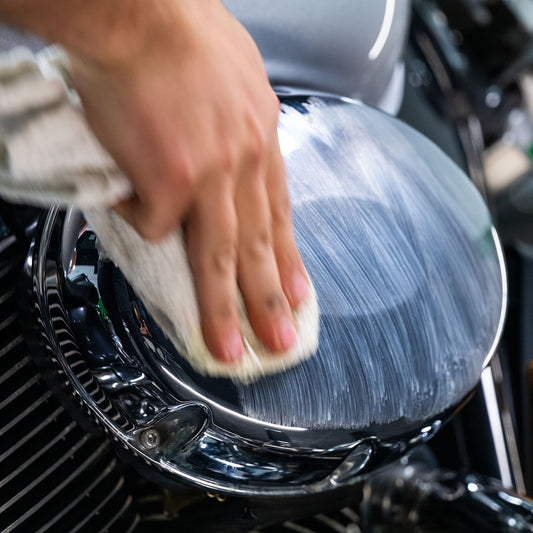
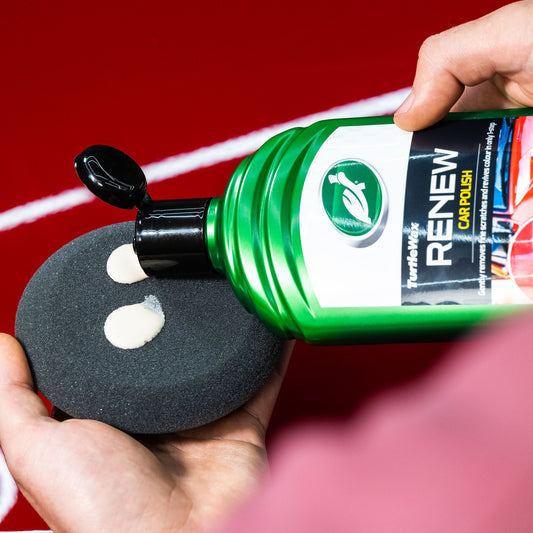
- Application - You only need a small amount at a time - around the size of a 10p - applied to a microfibre cloth or a foam applicator. Don’t use kitchen towel or anything with an abrasive surface.
Pro Tip: You can use a machine polisher for most metals, but it takes some skill and experience.
- Technique - Focus on one area at a time using small circular motions and using only light pressure. The polish itself will provide a light abrasive effect to remove surface tarnish. Give the polish a couple of minutes to work once applied.
- Removal - Buff out the product using a clean microfibre cloth, checking that everything is smooth and even as you go.
- How often - Once in good condition, you can polish every 2-3 months to maintain a clean and gleaming condition.
- Safety - Avoid getting the metal polish on paintwork or any plastic or rubber trim. Wipe it away immediately if you do, or mask off any seals or trim with tape before you start.
Common Chrome & Metal Problem Areas
Certain parts of your vehicle may experience more wear and tear than others, especially when it comes to the more exposed metal trims and pipework. Here’s what to watch out for when spotting problem areas.
- Exhaust tips - As the end of the exhaust system is constantly being heated, as well as dealing with carbon build-up and road dust, it can easily start to discolour and tarnish. Clean and polish the exhaust tip more frequently to keep it protected from contaminants.
- Alloy wheels - Brake dust and road grime can quickly start to take off that alloy rim shine, oxidising the metal. This is another area to focus on more frequently, especially cleaning between spokes and any awkward shapes in the metal.
- Bumpers and trim - Bumpers and sections of trim are more exposed to stones flying up off the road, as well as water marks and rust from the British weather. A water-repellent car wax helps to protect these areas.
- Door handles and mirrors - Door handles can be the worst spot for greasy finger marks, while wingmirrors with chrome detailing are especially exposed to the weather. Use a handy waterless spray detailer to keep these areas clean and protected.
- Classic car details - Classic cars can often have more decorative details, like grille surrounds, badges and other trim. Metal polish will help to keep these details looking like new, so long as previous owners have cared for them along the way.
Maintaining Your Metal Finish Long-Term
Whether you’ve had to restore your vehicle’s chrome details or you’re diligent about regular polishing, you’ll naturally want to keep that metal gleaming as long as possible. As well as a good polish, there are several steps and measures you can take to prolong the shine of your vehicle’s details.
Regular washing is important, as this helps to remove corrosive contaminants before they have a chance to cause damage.
Polishing those exposed metals and chromed areas is essential to remove surface tarnishing. It also provides that important long-term protection from moisture, UV light and more. This includes waxing as well as applying ceramic treatments to protect your vehicle.
Storing your vehicle in a garage or under cover also helps to protect it from the elements, though not everyone has this choice. Even just a removable cover can make a big difference, especially for classic cars.
Prevention is always the key to that long-term shine. Dealing with light oxidation early is much easier and cheaper compared to full restoration or even replacement.
Have a look at our FAQs below to get more advice on keeping your chrome and metal details looking their best.
Metal & Chrome Polish FAQs
Can I use chrome polish on aluminium wheels?
Chrome polish is designed for chromed surfaces, and aluminium often needs specialised products to restore its condition. However, Turtle Wax Metal Polish is designed to work safely on all metals, restoring shine and providing protection against corrosion.
Will metal polish damage my car’s paintwork?
Turtle Wax Metal Polish is paint-safe, so it won’t damage your paintwork if residue transfers. But it’s still best to avoid getting metal polish on paintwork or other seals and trim. Simply wipe it away with a clean cloth, or mask off any neighbouring areas before you start polishing metalwork.
How often should I polish chrome on my car?
Every 3-4 months is generally enough to keep up the shine and protection of your car’s chrome, though you may want to polish more exposed areas more frequently. Wheels and exhausts may need extra polishing to keep them looking their best. The extra elements of winter, such as road salt, may also mean more cleaning and polishing.
What’s the difference between metal polish and metal cleaner?
Metal cleaner is designed to remove dirt and contaminants from the polished metal details of a vehicle. Metal polish is for restoring shine and a smooth surface by removing oxidation and tarnishing, as well as providing a protective sealant. A cleaner should be used first before moving on to polishing and sealing.
Can metal polish remove rust from chrome?
Light surface rust (oxidation) can be removed with metal polish, though anything more severe would require more intense restoration beyond what polish can achieve. This is why it’s always best to regularly and promptly deal with light tarnishing before surface problems have a chance to get worse.
Is chrome polish safe to use on exhaust tips?
Yes, chrome polish is safe for exhaust tips, including stainless steel. Discolouration from heat can be dealt with very effectively with chrome and metal polish, though make sure to always let the exhaust completely cool before cleaning and polishing. Regular polishing will help to prevent exhaust tip discolouration.
What tools do I need to apply metal polish?
You just need a couple of clean microfibre cloths to apply metal polish - one for applying the product and another for buffing. You could also use foam applicators if you prefer. If you have the tools and experience, you could also use a machine polisher, if necessary, but you don’t need any special equipment to get a good result with everyday polishing.
Why does my chrome look hazy after polishing?
If you’re left with a residue after you’ve finished polishing, you’ve likely not fully buffed away the product with a clean cloth. This could also be because you’ve used too much product or attempted to polish too large an area in one go. Work in smaller sections and make sure you’re thoroughly buffing out the polish after applying.
What’s the best chrome polish for UK weather conditions?
The best chrome polish for the UK weather should have protective sealants included, helping to deal with the rain and the damp, as well as road salt in the winter. Regular polishing will help to maintain a protective barrier against these corrosive elements. Turtle Wax products include protective sealants, including our Metal Polish.
Can I use metal polish on motorcycle chrome?
Yes, Turtle Wax Metal Polish is suitable for use on any vehicle, including motorcycles. Chromed parts on motorcycles are particularly exposed to the elements, so they really benefit from regular polishing and the extra protection it brings.
Achieve showroom-quality chrome and metal details at home with Turtle Wax. Visit our How-To section for detailed guides, professional techniques, and maintenance tips that keep your metal surfaces gleaming.