Rated Excellent
Trusted by 1000’s of customers
Earn Rewards
Get points with every purchase
Expert Advice
Professional tips for perfect detailingScratches happen, whether it’s care park scuffs, shopping trolley scrapes, or stones bouncing off the road – it’s a fact of life. But seeing those scratches every time you get in your car is endlessly frustrating. That is, until you have the right car scratch repair product.
At Turtle Wax, we have a scratch remover polish for any use. From light imperfections and swirl marks to heavy, easily visible scratches, our Scratch Remover and heavy-duty Scratch Repair & Renew return your finish to like-new condition without masking agents that can wash away over time.
No matter which you choose, you’ll be thrilled when you see how easy it is to remove those eyesores from your car wax.
Both are available as single units and in money-saving multi-packs.
-
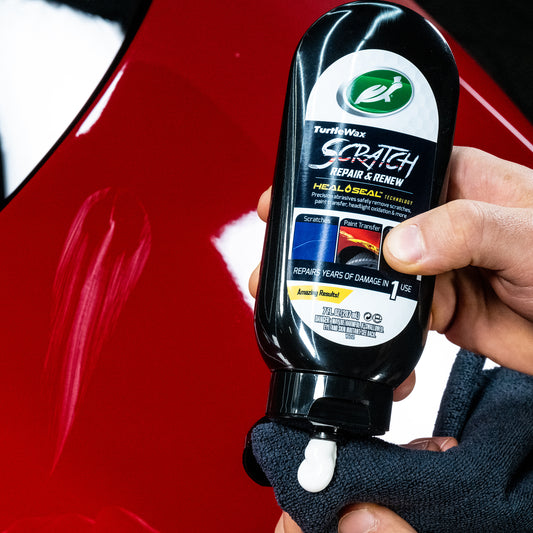
Scratch Repair & Renew, 207ml
Regular price £10.00Sale price £10.00 Regular priceUnit price per -
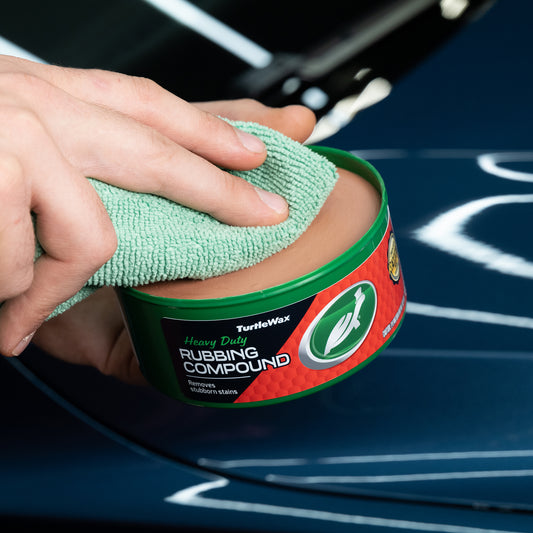
Heavy Duty Rubbing Compound, 298g
Regular price £8.00Sale price £8.00 Regular priceUnit price per -
Hybrid Solutions Ceramic Polish & Wax, 500ml
Regular price £15.00Sale price £15.00 Regular priceUnit price per -
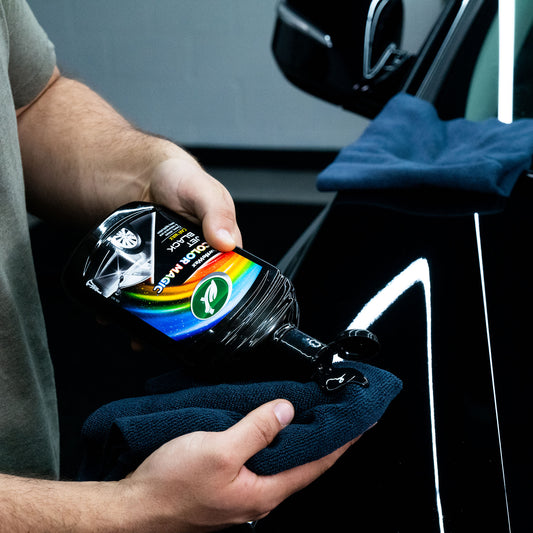
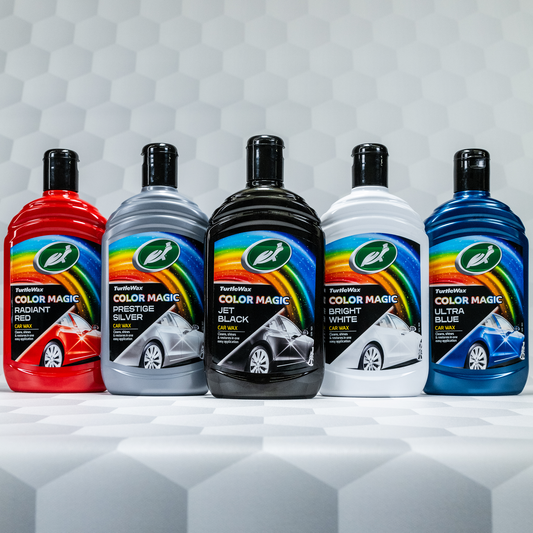
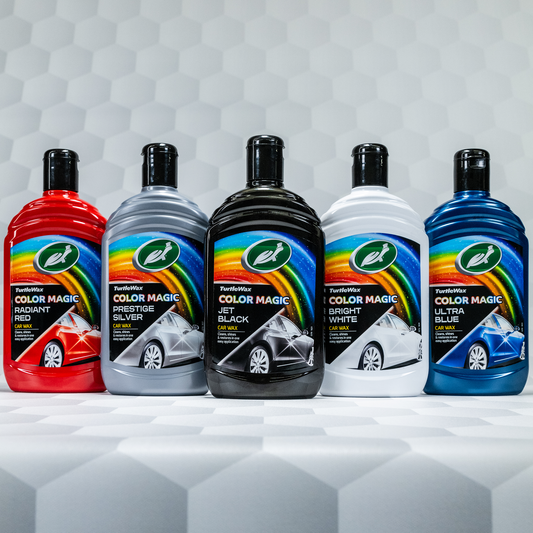
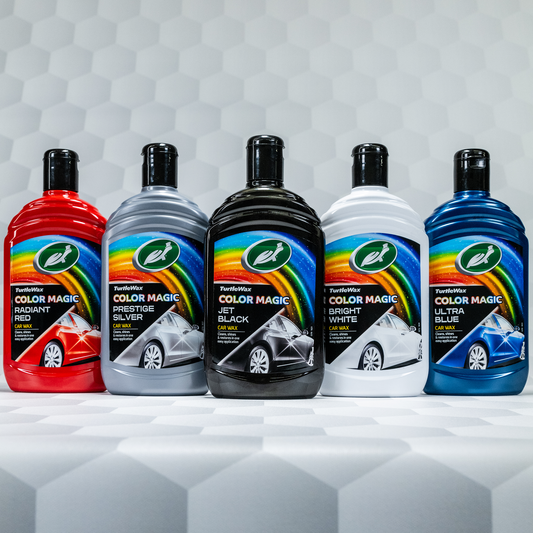
Color Magic® Car Wax - Jet Black, 500ml
Regular price £10.00Sale price £10.00 Regular priceUnit price per -
Color Magic® Car Wax - Ultra Blue, 500ml
Regular price £10.00Sale price £10.00 Regular priceUnit price per -
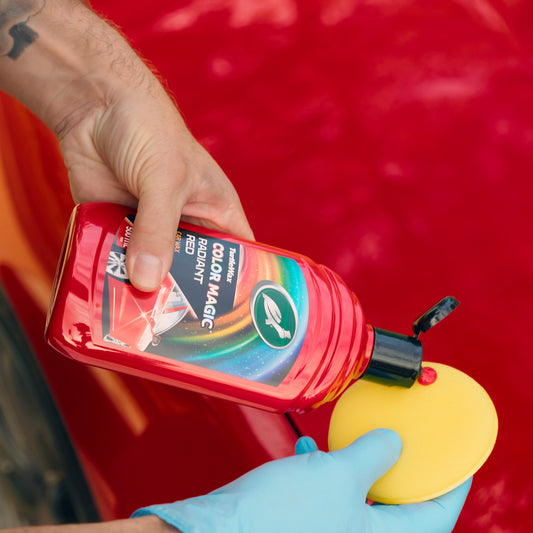
Color Magic® Car Wax - Radiant Red, 500ml
Regular price £10.00Sale price £10.00 Regular priceUnit price per -
Color Magic® Car Wax - Bright White, 500ml
Regular price £10.00Sale price £10.00 Regular priceUnit price per -
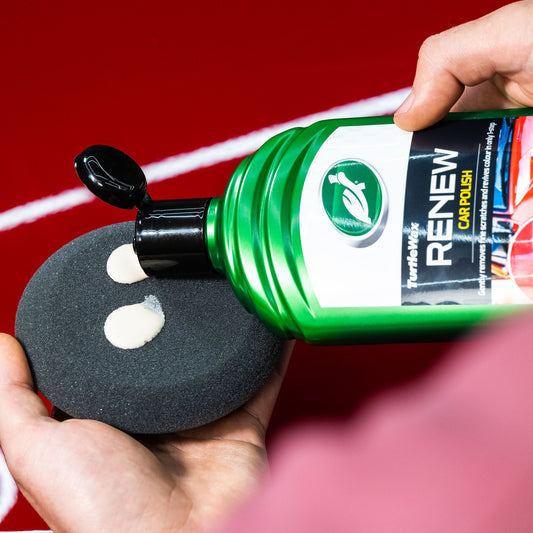
Renew Car Polish, 500ml
Regular price £8.00Sale price £8.00 Regular priceUnit price per -
Color Magic® Car Wax - Prestige Silver, 500ml
Regular price £10.00Sale price £10.00 Regular priceUnit price per -
Scratch Remover, 100ml
Regular price £5.00Sale price £5.00 Regular priceUnit price per -
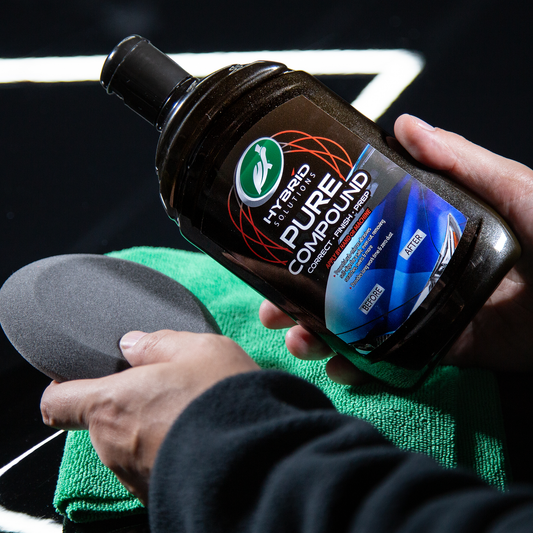
Hybrid Solutions Pure Compound, 500ml
Regular price £15.00Sale price £15.00 Regular priceUnit price per










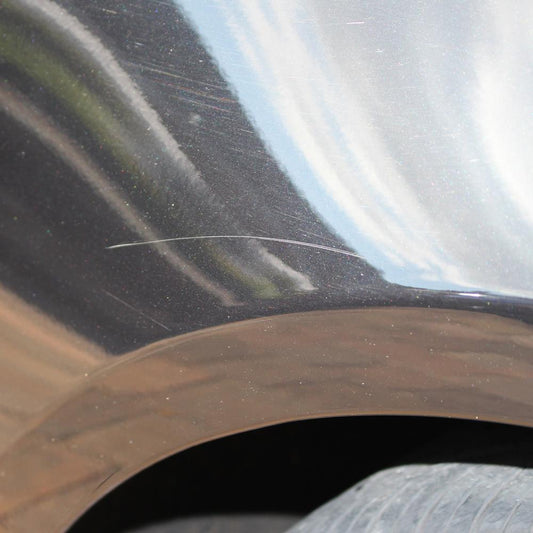

How to Choose the Right Scratch Remover for Your Car
If you’re not sure where to start with how to remove a scratch from your car, take a look at this table to see the main options and what works best for different types of damage.
To check how deep a scratch is, simply run your fingernail over it. If your nail glides over easily, it’s a light scratch, whereas your nail will catch on a deeper scratch.
|
Product Name |
Scratch Severity |
Best For |
Application Method |
Key Benefit |
|
Light |
Light scratches, scuffs, swirl marks, water spots |
Hand |
Quick and easy application |
|
|
Light to heavy |
Scratches reaching the base coat, scuffs, swirl marks, paint transfer |
Hand or machine |
Long-lasting sealant with Heal & Seal technology |
|
|
Light |
Black or dark paintwork, surface scratches, scuffs, swirls |
Hand or machine |
Gives a deep, rich gloss finish |
Understanding Car Scratch Damage
The 4 Layers of Your Car’s Paint
A modern car’s paintwork is made up of four layers, all working together to provide protection as well as a beautiful colour and finish.
- Metal - the surface of the car itself, protected from rust and other damage by the layers above.
- Primer coat - Applied to the metal to create a smooth surface for adding the car’s colour coat on top.
- Base Colour Coat - This coat gives the car its colour, mixed with any finish effects such as pearlescence.
- Clear Coat - The final and thickest layer is a transparent lacquer that protects the colour from UV light and oxidation. It’s this layer where scratches and blemishes most often occur.
Assessing Your Scratch Depth
A good trick to learn is how to assess the severity - or depth - of a scratch. The severity of a scratch determines the best way to fix it, whether that’s using a product at home or getting a professional repair job.
A quick and easy method is the fingernail test. To perform this test, simply run your fingernail lightly over the scratch. If it catches on the scratch, this means it’s deeper and likely penetrates through to the lower layers of the paintwork or even the metal of the car itself.
If your fingernail doesn’t catch, the scratch is only in the clear coat layer and should be repairable with a scratch removal product at home.
Scuffs vs Scratches: What’s the Difference?
Scuffs and scratches are both types of car surface damage, but they’re caused and treated in different ways. Scuffs tend to be caused by material transferring to the paintwork of your car, such as paint or rubber. This type of damage usually doesn’t penetrate deeper than the clear coat layer and can be repaired with at-home scratch remover products.
In comparison, a scratch is damage that cuts into the layers of the paintwork, potentially just the clear coat for light scratches, or down to the primer or metal for deep scratches. This type of damage may need paint touch-up or even professional repair if the scratch reaches beyond the clear coat layer.
What Causes Car Scratches?
Scratches happen. We’ve all had that car park moment where a scuff or a scratch has somehow appeared in the 10 minutes you were in the supermarket, grabbing some essentials. There are all sorts of reasons scratches happen, no matter how careful we are about our vehicles.
- Car park dings, shopping trolley scuffs
- Automatic car washes
- Tree branches, bushes
- Key scratches, vandalism
- Stone chips from roads
- Belt buckles, buttons, zips
Even if we can’t always stop scratches from happening, we can repair the damage with the right scratch removal product in the range at Turtle Wax.
How to Use Car Scratch Remover
- Start by washing and drying the damaged area, making sure to remove any loose material or dirt.
- Add the directed amount of scratch remover product to the applicator or a clean microfibre cloth - no special tools or machines required.
- Rub onto the scratch in circular motions - this usually only needs gentle pressure as the product does the work.
- Wipe the surface clean and check if the scratch is gone.
- If the scratch is still visible, repeat from step 2.
For fully detailed instructions, read our complete step-by-step guide on scratch removal.
Hand Application vs Machine Polisher
A common misconception is that all scratch repairs require machine polishing, but most everyday scratches can be successfully repaired by hand.
Except for deep scratches that reach to the primer or metal, hand application with a cloth or sponge will be effective for most types of damage.
Specialist Scratch Repair Solutions
Scratch Repair for Black and Dark-Coloured Cars
Black paintwork can often show up scratches more clearly compared to white or lighter cars. This is simply because there’s more contrast between the darker surface and the lighter colour of scratches and scuffs.
To keep your paintwork looking smooth and glossy, go for a specialised product designed for black and darker-coloured cars. Our Hybrid SolutionsⓇ Ceramic Polish & Wax features precision platelet technology to remove surface scuffs and scratches to restore a rich gloss to your paintwork.
Can Scratch Remover Be Used on Car Interiors?
Scratch remover kits and products are designed for use on car paintwork, so aren’t suitable for interior trims. However, there are products designed specifically for interior detailing, from cleaning and polishing the dashboard and door trims to refreshing the upholstery.
Take a look at our range of interior detailing products.
Removing Scratches from Car Glass
Car scratch removal kits also aren’t designed for use on glass. Chips and scratches in glass need specialist repair and can’t be fixed at home. What you can do is use our range of glass products for interior and exterior cleaning and protection, from rain repellent to streak-free spray.
Take a look at our car glass products.
Scratch Remover vs Other Paint Repair Products
When to Use Scratch Remover vs Touch-Up Paint
Not sure if you need touch-up paint as well as scratch removal? Touch-up paint is generally only needed if a scratch has exposed primer or bare metal beneath the paint layer. It can also be used if rust damage has flaked away the paintwork. Touch-up paint helps to fill in the lost material to protect the metal and provide a smooth and seamless finish.
If a scratch only affects the clear coat layer of the paintwork, then touch-up paint isn’t needed.
Can Scratch Remover Fix Stone Chips?
Damage from stone chips can often be deeper and more extensive than a surface scratch, meaning more material needs to be removed during the repair process. Scratch repair products designed for light surface scratches may not be enough for stone chip damage, and might require more heavy-duty products like rubbing compound as well as touch-up paint to restore the finish. If the damage has caused a dent or exposed an area of bare metal, it might be necessary to seek a professional repair job.
Scratch Remover vs Compound vs Polish
All of these products provide some level of surface repair for car paintwork, but they are suited to different levels of damage. Scratch removal products are generally suited to light scratches and surface damage, providing an all-in-one repair product.
Compounds are more heavily abrasive for removing material, suited to more intense scratches and scuffs. Polish also has a lightly abrasive quality, but is designed to provide a glossy, refined finish after other products have been used.
Why Choose Turtle Wax Scratch Repair?
We’ve been developing products to restore and protect cars for over 75 years. Our formulas are trusted by car enthusiasts for their reliable performance, providing the best results for scratch repair and paintwork restoration.
- Permanent results that don’t wash away.
- Heal & Seal technology restores and protects in one application.
- Can be applied by hand or by machine.
- Precision platelet technology for a smooth and glossy result
- Multi-pack options for even better value
Protecting Your Car After Scratch Removal
Once you’ve successfully removed a scratch from your car, it’s important to protect your work. This not only keeps your newly repaired paintwork looking its best, but it also helps to protect against future damage.
Our range of car wax brings that beautiful shine and smooth finish, as well as providing long-lasting protection. Get that professional finish with a ceramic spray coating, an inexpensive at-home treatment that protects against water marks, insects and more. Apply two coats for a barrier that lasts for 12 months. Professional detail results at a fraction of the price.
Frequently Asked Questions
What is the difference between a scuff and a scratch on a car?
A scuff describes surface-level damage, usually when paint or another material transfers onto the paintwork of your car. A scratch is a type of damage that cuts into the paintwork layers, often only affecting the clear coat layer, but can also penetrate right through to bare metal underneath.
How deep is my car scratch?
There are a couple of ways to figure out how deep a scratch is. First, there’s visually looking to see if bare metal has been exposed under the paintwork. You can also rub your fingernail over the scratch - if it catches, it’s a deeper scratch. If it glides over, the scratch is limited to the top clear coat layer and is more easily fixed.
Can scratch remover fix key scratches on cars?
The depth of a scratch determines what kind of repair is most effective. If the key scratch is fairly shallow and doesn’t reach the primer or bare metal of the car, a scratch removal kit should work well. If the key caused a deeper gouge that exposed bare metal, you’ll likely need a professional repair.
Will car scratch remover work on stone chips?
If the damage is only to the clear coat layer of the paintwork, a scratch remover kit will usually work. A professional repair may be needed if the stone chip causes a dent or removes material down to the primer or bare metal, or if the damage covers a larger area.
Can you use car scratch remover on interior plastic scratches?
No, car scratch remover shouldn’t be used on interior or exterior plastic trim. Car scratch removal kits are designed for use on paintwork, and their use on plastic could cause further damage. While scratches can be hard to remove from plastic trim, there are products designed for cleaning and polishing car interiors.
What’s the difference between scratch remover spray and paste?
Scratch remover spray will usually provide lighter abrasion, and so will only be effective on light scratches and surface imperfections. Scratch remover paste will provide more intense action for removing deeper scratches and scuffs in your car’s paintwork.
Can car scratch remover be used on glass?
No, car scratch remover can’t be used on glass. Scratches or chips in your windscreen or windows require professional repair. For everyday cleaning and protection of your car’s windows, we have a full range of car glass products available at Turtle Wax.
Do car scratch removers work on black cars?
Yes, scratch removers work on black cars and darker paintwork. The important thing is to use a high-quality product that doesn’t leave white residue after polishing. You can also improve the result by using a polish specifically designed for black paintwork, like our Hybrid SolutionsⓇ Ceramic Polish & Wax.
How long do scratch remover results last?
Turtle Wax scratch remover products are designed to provide permanent results. Our Heal & Seal technology repairs the scratch and provides long-lasting protection against future damage.
Do I need special tools to use the scratch remover?
While some scratch remover products can be used with machine polishers, most can be applied by hand. A microfibre cloth or sponge applicator is all that you need to get successful scratch remover results with a product like our Scratch Repair & Renew.
Ready to transform your car from scratched to showroom-ready? Visit our How-To section for expert application techniques, before-and-after tips, and complete restoration guides.